
Does your skin sometimes look dull, feel rough, or appear uneven despite following a regular skincare routine? Dead skin cells can build up on the skin’s surface, affecting its natural appearance and texture. Exfoliation can help address this concern by removing accumulated dead skin cells and supporting smoother-looking skin.
However, knowing how to exfoliate your skin correctly is just as important as choosing the right skincare products. Using the wrong method or exfoliating too often may cause dryness and irritation.
In this guide, we will explain the different exfoliation methods, their benefits, and simple ways to exfoliate your face and body safely according to your skin type.
What Is Skin Exfoliation?
Skin exfoliation is the process of removing dead skin cells from the outer layer of the skin. Our skin naturally sheds old cells and replaces them with new ones through a process called skin cell turnover. However, dead cells do not always shed evenly and may collect on the skin’s surface, making it feel rough or look dull.
When done properly, exfoliation can help improve skin texture and keep the skin’s surface smoother. However, it is important not to overdo it, as excessive exfoliation can damage the skin barrier and cause irritation.
What Are the Benefits of Skin Exfoliation?
Regular exfoliation, when done gently and correctly, can help improve the appearance and feel of your skin. It removes accumulated dead skin cells from the surface, allowing fresher skin to become more visible. The benefits of skin exfoliation can vary depending on your skin type and the method you choose.
Some of the main benefits include:
Removes Dead Skin Cells
Dead skin cells can collect on the outer layer of the skin, making it appear dull or feel rough. Exfoliation helps remove this buildup and keeps the skin’s surface cleaner and smoother.
Makes Skin Feel Smoother and Softer
Removing accumulated dead cells can improve rough skin texture. With gentle exfoliation, your skin may feel softer and smoother to the touch.
Improves the Appearance of Dull Skin
A buildup of dead skin cells can make the skin look less fresh. Exfoliation helps clear away this surface buildup, giving the skin a brighter and more refreshed appearance.
Helps Reduce the Appearance of Clogged Pores
Dead skin cells and excess oil can contribute to clogged pores. Certain exfoliating ingredients, particularly salicylic acid (BHA), can help clear material from inside pores and reduce their appearance.
Supports More Even-Looking Skin Texture
Uneven skin texture can result from dryness and the buildup of dead skin cells. Gentle exfoliation may help improve the appearance of rough or uneven areas over time.
Helps Skincare Products Spread More Evenly
When dead skin cells accumulate on the surface, skincare products may not spread as smoothly. Removing some of this buildup can help products apply more evenly. However, exfoliation does not guarantee better absorption of every skincare ingredient.
Remember: The benefits of skin exfoliation depend on using the right method and frequency. Exfoliating too aggressively can cause redness, dryness and irritation instead of improving your skin’s appearance.
Types of Skin Exfoliation
There are two main types of skin exfoliation: physical and chemical. Choosing the right method depends on your skin type, sensitivity and skincare needs.
1. Physical Exfoliation
Physical exfoliation is a method of removing dead skin cells through gentle rubbing or friction. It uses products or tools that manually loosen and remove the buildup from the skin’s surface.
Some common methods of physical exfoliation include:
- Face and body scrubs: These products contain small particles that help remove dead skin cells through gentle rubbing.
- Washcloths: A soft, clean washcloth can provide mild exfoliation when used gently with water and a cleanser.
- Exfoliating brushes: These brushes help remove surface buildup through gentle mechanical movement.
- Exfoliating gloves: Often used on the body, these gloves help remove dead skin cells while washing.
Advantages of Physical Exfoliation
- Helps remove dead skin cells from the skin’s surface.
- Can make rough areas feel smoother and softer.
- Offers an immediate feeling of smoother skin.
- Allows you to control the pressure and areas being exfoliated.
Potential Disadvantages
Physical exfoliation may not suit everyone, especially people with sensitive or easily irritated skin. Scrubbing too hard or using rough exfoliating products can cause redness, dryness and irritation. It may also worsen certain existing skin conditions.
2. Chemical Exfoliation
Chemical exfoliation uses specific acids to loosen the bonds between dead skin cells, helping them shed naturally from the skin’s surface. Unlike physical exfoliation, this method does not require scrubbing or rubbing.
Chemical exfoliants are available in different skincare products, including cleansers, toners, serums and creams. The most common types are Alpha Hydroxy Acids (AHAs), Beta Hydroxy Acids (BHAs) and Polyhydroxy Acids (PHAs). Each type has different properties and is used to address particular skin concerns.
Alpha Hydroxy Acids (AHAs)
AHAs are water-soluble acids that work mainly on the skin’s surface. They help remove accumulated dead skin cells and improve the appearance of dull or uneven skin.
The U.S. Food and Drug Administration (FDA) confirms that AHA products cause exfoliation by shedding surface skin cells. It also warns that these products may increase sensitivity to sunlight.
Common AHAs include:
- Glycolic Acid: This AHA has a small molecular size and is commonly used to improve rough texture, dullness and the appearance of uneven skin tone.
- Lactic Acid: This ingredient provides gentle exfoliation and also helps attract moisture to the skin. It is commonly included in products designed for dry or rough skin.
AHAs are generally suitable for people looking to improve skin texture, dullness and the appearance of uneven skin tone.
Beta Hydroxy Acids (BHAs)
Salicylic acid is the most commonly used BHA in skincare. Unlike AHAs, it is oil-soluble, allowing it to penetrate into pores and help loosen excess oil and accumulated dead skin cells.
Salicylic acid is commonly used for:
- Oily skin.
- Clogged pores.
- Blackheads and whiteheads.
- Skin prone to breakouts.
It can help keep pores clearer and improve the appearance of blemish-prone skin.
Polyhydroxy Acids (PHAs)
PHAs are another group of chemical exfoliants that work on the skin’s surface. They have larger molecular structures than many AHAs, so they generally penetrate more slowly. This can make them a gentler option for some people, although irritation is still possible.
Gluconolactone is a commonly used PHA. It helps remove dead skin cells while also attracting moisture to the skin.
PHAs are often used in skincare products designed to:
- Improve rough skin texture.
- Remove surface buildup.
- Support skin hydration.
- Provide gentle exfoliation for people who may not tolerate stronger acids.
Which Chemical Exfoliant Should You Choose?
The right ingredient depends on your skin type and concerns.
| Ingredient | Commonly used for |
| Glycolic Acid (AHA) | Dullness and uneven skin texture |
| Lactic Acid (AHA) | Dryness and rough skin |
| Salicylic Acid (BHA) | Oily skin and clogged pores |
| Gluconolactone (PHA) | Gentle exfoliation and dry or sensitive skin |
When learning how to exfoliate your skin, remember that the strength and concentration of an exfoliating product matter. Start with a suitable product, follow its instructions and avoid combining several exfoliating acids without professional guidance.
Important: AHAs can increase sensitivity to sunlight, so daily sun protection is important when using these ingredients.
How to Exfoliate Your Skin Properly
Knowing how to exfoliate skin properly can help you get the benefits of exfoliation while avoiding unnecessary irritation. The process does not need to be complicated, but choosing suitable products and following the correct steps is important. According to the American Academy of Dermatology, exfoliation should be selected according to your skin type and performed carefully to avoid irritation.
Here are six simple steps to include exfoliation in your skincare routine.
Step 1: Cleanse Your Skin
Start by washing your face or body with a gentle cleanser to remove makeup, sunscreen, sweat and surface dirt. Clean skin allows you to apply your exfoliating product without mixing it with unwanted buildup.
Use lukewarm water rather than hot water, as excessive heat can make your skin feel dry. Gently pat your skin with a clean towel, following the instructions for your chosen exfoliant.
Step 2: Choose the Right Exfoliation Method
Select an exfoliation method according to your skin type and concerns.
- Physical exfoliant: A gentle scrub or soft washcloth may help remove surface dead skin cells through light friction.
- Chemical exfoliant: Products containing glycolic acid, lactic acid or salicylic acid can help loosen dead skin cells without physical scrubbing.
If you have dry or sensitive skin, choose a gentle product and avoid rough scrubs. For oily or clogged pores, salicylic acid may be a suitable option. If you are unsure which product to use, consider asking a dermatologist.
Step 3: Apply the Exfoliant Gently
How you apply an exfoliating product matters just as much as the product itself.
For physical exfoliation, use your fingertips to massage a gentle scrub in small circular motions with light pressure. Avoid rubbing too hard, especially around delicate areas such as the eyes.
For chemical exfoliation, apply the product according to its instructions. Some products need to be applied to dry skin, while others may have different application requirements.
Avoid applying exfoliants to cuts, irritated areas or sunburned skin. If you experience burning or significant discomfort, stop using the product.
Step 4: Rinse or Leave It On
Not all exfoliating products are used in the same way. Some need to be rinsed off, while others are designed to remain on the skin.
- Rinse-off exfoliants: Physical scrubs and some exfoliating cleansers should be washed away with lukewarm water after use. Make sure no product residue remains on your skin.
- Leave-on exfoliants: Certain chemical exfoliants, such as AHAs and BHAs, are formulated to stay on the skin. Allow them to work according to the product instructions rather than rinsing them off immediately.
Always check the product label to understand how long to leave an exfoliant on your skin.
Step 5: Apply Moisturizer
After exfoliating, apply a gentle moisturizer to help keep your skin hydrated. Exfoliation can sometimes cause dryness, particularly if you have sensitive skin or use stronger exfoliating ingredients.
Choose a moisturizer that suits your skin type. Ingredients such as ceramides, glycerin and hyaluronic acid can help support skin hydration and maintain its protective barrier.
Avoid using additional harsh skincare products if your skin feels dry or irritated after exfoliation.
Step 6: Use Sunscreen
Sun protection is an important part of your skincare routine, especially when using chemical exfoliants such as AHAs. These ingredients can increase your skin’s sensitivity to sunlight.
Apply a broad-spectrum sunscreen with SPF 30 or higher to exposed skin during the day. Reapply it every two hours when outdoors, and more often after swimming or sweating.
Sunscreen helps protect your skin from harmful UV rays and reduces the risk of sun damage.
Remember: Learning how to exfoliate your skin properly is about maintaining a balance. Use gentle products, avoid excessive exfoliation and give your skin enough time to recover between treatments. If you notice persistent redness, burning or peeling, stop exfoliating and seek advice from a dermatologist.
How Often Should You Exfoliate Your Skin?
The right exfoliation frequency depends on your skin type, the exfoliation method you use and the strength of the product. If you are new to exfoliation, start slowly, especially when using chemical exfoliants such as glycolic acid or salicylic acid. Begin once a week and observe how your skin responds. If there is no irritation, you may gradually adjust the frequency according to the product instructions and your skin’s needs.
Daily exfoliation is not suitable for everyone. Using scrubs or chemical exfoliants too frequently can remove too many surface skin cells and interfere with the skin’s protective barrier.
Signs You May Be Exfoliating Too Frequently
Pay attention to how your skin reacts after exfoliation. Some common signs of over-exfoliation include:
- Redness: Your skin may look unusually red or feel irritated.
- Dryness and flaking: Your skin may become rough, tight or start peeling.
- Burning or stinging: Skincare products that previously felt comfortable may suddenly cause discomfort.
- Increased sensitivity: Your skin may react more easily to sunlight or everyday skincare products.
- Persistent irritation: Your skin may remain uncomfortable even after you stop exfoliating.
If you notice these signs, stop exfoliating until your skin has recovered. Use a gentle cleanser and moisturizer, avoid additional exfoliating products and protect your skin from sunlight. If irritation persists or becomes severe, consult a dermatologist.
Tip: There is no single exfoliation schedule that works for everyone. Pay attention to your skin’s response rather than trying to exfoliate as often as possible.
How to Exfoliate Different Skin Types
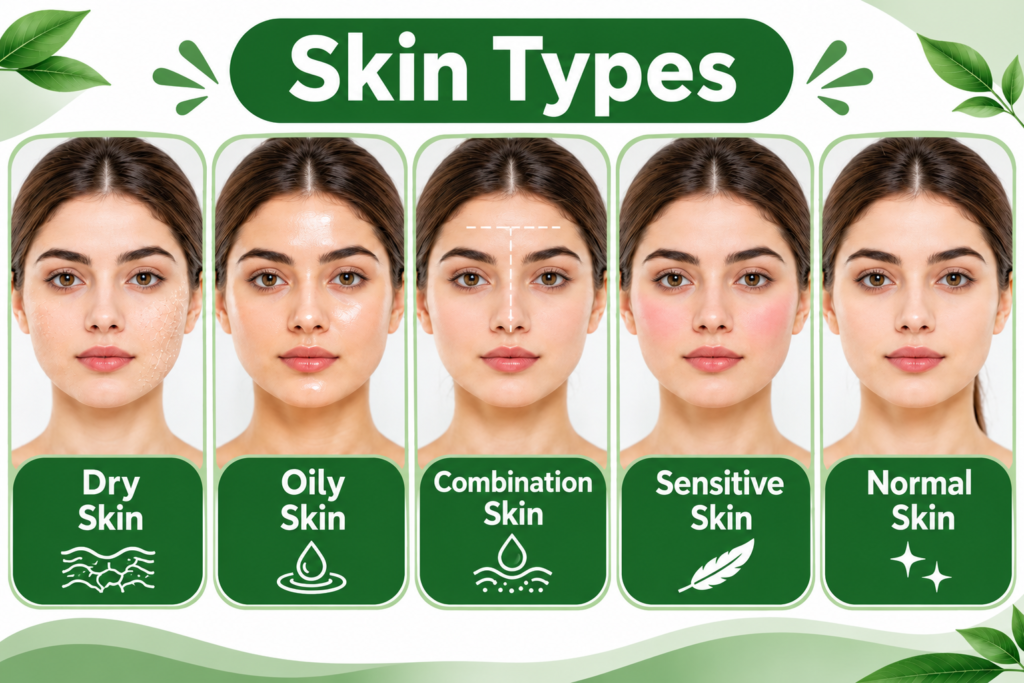
Not every skin type responds to exfoliation in the same way. A product that works well for oily skin may cause dryness or irritation in someone with sensitive skin. Therefore, it is important to understand your skin type before choosing an exfoliation method.
Dry Skin
Dry skin often feels tight, rough or flaky because it lacks sufficient moisture. Harsh scrubs and frequent exfoliation can make these problems worse.
For dry skin:
- Choose gentle exfoliating products, such as those containing lactic acid.
- Avoid rough scrubs that can irritate the skin.
- Start with a low-strength product and use it occasionally.
- Apply a good moisturizer after exfoliation to help maintain hydration.
Lactic acid can be a useful option because it provides mild exfoliation and also attracts moisture to the skin.
Oily Skin
Oily skin produces excess sebum, which can mix with dead skin cells and contribute to clogged pores, blackheads and breakouts.
For oily skin:
- Consider products containing salicylic acid (BHA).
- Choose lightweight, non-comedogenic skincare products.
- Avoid aggressive scrubbing to control excess oil.
- Maintain a balanced routine with regular moisturizing.
Salicylic acid is oil-soluble, allowing it to work inside pores and help remove accumulated oil and dead skin cells.
Learn more about the common causes of adult acne and factors that trigger breakouts to understand why breakouts can develop.”
Combination Skin
Combination skin usually has both oily and dry areas. The forehead, nose and chin (T-zone) may produce more oil, while the cheeks can feel normal or dry.
For combination skin:
- Choose a gentle exfoliating product suitable for your overall skin condition.
- Pay attention to areas that become oily or dry.
- Avoid applying stronger exfoliants to already dry or sensitive areas.
- Use moisturizer according to the needs of different areas.
A balanced approach can help manage uneven skin texture without making dry areas more uncomfortable.
Sensitive Skin
Sensitive skin can react easily to skincare products and environmental factors. Exfoliation requires extra care because strong ingredients and rough physical scrubs may cause redness, itching or irritation.
For sensitive skin:
- Avoid harsh scrubs and abrasive exfoliating tools.
- Choose gentle formulations, such as low-strength PHAs, if suitable.
- Perform a patch test before using a new exfoliating product.
- Start with occasional use rather than frequent exfoliation.
- Stop using the product if irritation develops.
If your skin is easily irritated or you have an existing skin condition, consult a dermatologist before introducing exfoliating products.
People experiencing skin irritation may also find it helpful to understand common eczema flare-up triggers and skin care tips.
Normal Skin
Normal skin generally has a balanced level of oil and moisture, making it easier to maintain a skincare routine. However, this does not mean it needs frequent or intensive exfoliation.
For normal skin:
- Choose a gentle physical or chemical exfoliant.
- Follow the recommended product frequency.
- Avoid combining several exfoliating products unnecessarily.
- Apply moisturizer after exfoliation.
- Use sunscreen during the day.
The goal is to maintain smooth and healthy-looking skin without disturbing its natural protective barrier.
Remember: Your skin type can help guide your choice of exfoliant, but its current condition matters too. Even oily or normal skin can become sensitive due to weather, skincare products or other factors. Adjust your routine whenever your skin needs extra care.
Common Exfoliation Mistakes to Avoid
Exfoliating Too Frequently
Exfoliating too often can remove more than the accumulated dead skin cells your skin needs to shed. This may weaken the skin barrier and lead to redness, dryness, peeling, or sensitivity. Follow the product instructions and give your skin time to recover between sessions.
Scrubbing the Skin Too Aggressively
Applying too much pressure or rubbing the skin for too long can cause irritation. Use gentle, circular motions with physical scrubs and avoid rough brushes or harsh tools, especially on the face.
Using Multiple Exfoliating Products Together
Combining several exfoliating products, such as glycolic acid, salicylic acid, and physical scrubs, may increase the risk of irritation. Introduce products gradually and avoid layering multiple exfoliants unless a skincare professional recommends it.
Applying Exfoliants to Irritated or Broken Skin
Avoid exfoliating areas with cuts, wounds, sunburn, active irritation, or severely inflamed skin. Exfoliation may worsen discomfort and delay the skin’s recovery. Allow the skin to heal before restarting your routine.
Skipping Moisturizer After Exfoliation
Exfoliation can leave the skin feeling dry or tight, particularly when using chemical exfoliants. Apply a gentle moisturizer afterward to support hydration and maintain the skin barrier.
Skipping Sunscreen
Some exfoliating ingredients, particularly alpha hydroxy acids (AHAs), can make the skin more sensitive to sunlight. Apply broad-spectrum SPF 30 or higher during the day and reapply as directed, especially when spending time outdoors.
Using Facial and Body Exfoliants Interchangeably
Facial skin is generally more delicate than the skin on areas such as the arms, legs, and feet. Body scrubs may contain larger or rougher particles that are too harsh for the face. Always check the product label and use an exfoliant suitable for the area you want to treat.
Remember: Gentle exfoliation is more beneficial than aggressive treatment. If your skin develops persistent redness, burning, or irritation, stop exfoliating and allow it to recover.
Frequently Asked Questions
Can Exfoliation Help with Dark Spots?
Yes, exfoliation may help improve the appearance of some dark spots by removing dead skin cells and supporting skin renewal. Chemical exfoliants such as glycolic acid and lactic acid can help improve uneven skin tone over time. However, results depend on the cause of the pigmentation and the product used. Always use sunscreen, as sun exposure can make dark spots more noticeable.
What Happens If You Exfoliate Your Skin Too Much?
Over-exfoliation can damage the skin barrier and cause redness, dryness, peeling, burning, and increased sensitivity. Your skin may also become uncomfortable when using products that previously caused no problems. If this happens, stop exfoliating and focus on gentle cleansing and moisturizing until your skin recovers.
Should You Moisturize After Exfoliating?
Yes. Applying a gentle moisturizer after exfoliation helps maintain hydration and supports the skin barrier. Choose a moisturizer suited to your skin type, preferably one with ingredients such as glycerin or ceramides. This is particularly helpful if your skin feels dry or tight after exfoliating.
How Do I Exfoliate My Skin Correctly?
Start by cleansing your skin with a gentle cleanser. Choose an exfoliation method suitable for your skin type, then follow the product instructions. Use gentle pressure if you are using a physical scrub, and avoid combining multiple exfoliating products. Finish with a moisturizer and apply sunscreen during the day.
What Is the 4-2-4 Rule in Skincare?
The 4-2-4 rule is a Korean skincare cleansing method that involves spending 4 minutes using an oil cleanser, 2 minutes using a water-based cleanser, and 4 minutes rinsing the face. It is intended to remove makeup, sunscreen, excess oil, and dirt.
Final Thoughts
Knowing how to exfoliate your skin properly can help improve its texture and reduce the buildup of dead skin cells. However, the right approach depends on your skin type, sensitivity, and the exfoliation method you choose.
Use gentle techniques, avoid exfoliating too often, and moisturize after each session to maintain your skin barrier. Daily sun protection is also important, especially when using exfoliating acids.
Remember, healthy-looking skin does not come from aggressive scrubbing or frequent exfoliation. It comes from a consistent skincare routine that gives your skin the care and time it needs to stay healthy.