
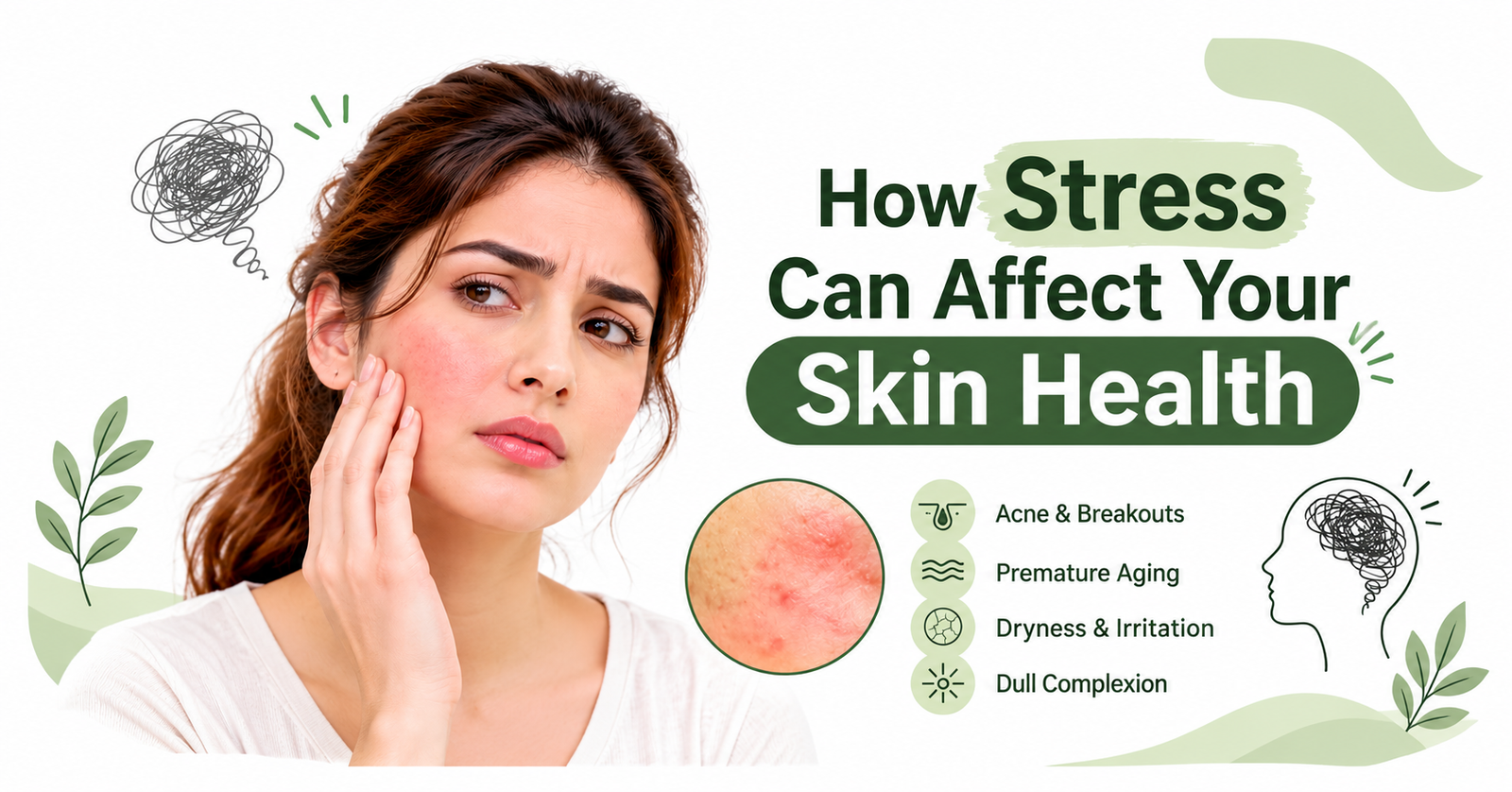
Have you ever noticed that your skin starts breaking out, becomes unusually dry, or feels more irritated during stressful periods? This may not be a coincidence. Stress can affect several functions in the body, including the way the skin protects, repairs and maintains itself.
The connection between emotional well-being and skin health is stronger than many people realise. When you experience stress, your body releases hormones and other chemical messengers that can influence oil production, inflammation and the skin’s protective barrier. These changes may contribute to acne, itching, dryness and flare-ups of existing skin conditions.
Understanding How Stress Can Affect Your Skin Health can help you recognise changes in your skin and make better decisions about your daily care. The effects are not the same for everyone, and stress is rarely the only cause of a skin concern. Genetics, hormones, skincare habits, sleep and environmental factors also play important roles.
In this article, we will explore the relationship between stress and the skin, common symptoms to watch for, and practical ways to support your skin and overall well-being.
How Does Stress Affect Skin Health?
Stress is the body’s natural response to situations that feel challenging, demanding or threatening. It activates several systems that help the body respond to pressure, including the nervous system, endocrine system and immune system.
During a stressful situation, the body releases hormones such as cortisol and adrenaline. These hormones prepare the body to respond to challenges. This response is useful in the short term, but repeated or prolonged activation may affect normal skin functions.
The skin is not simply an outer covering. It contains nerve endings, immune cells, blood vessels and glands that respond to signals from the brain and the rest of the body. This is one reason emotional pressure can sometimes appear through visible skin changes.
When considering How Stress Affects Your Skin, it is important to understand that these changes can happen through several connected processes rather than one single cause.
The Role of Cortisol and Stress Hormones
Cortisol is a hormone released by the adrenal glands as part of the body’s stress response. It helps regulate energy, metabolism, inflammation and other important functions.
When stress continues for a long time, changes in cortisol activity may influence the skin in several ways:
- Oil production: Stress-related hormonal signals may influence sebaceous glands, which produce natural skin oil called sebum.
- Inflammation: Changes in immune activity may increase inflammatory responses and aggravate certain skin conditions.
- Skin repair: Prolonged stress may interfere with the normal processes involved in repairing damaged skin.
- Moisture retention: Stress-related changes can affect the skin barrier, making it harder for the skin to retain moisture.
These processes help explain some of the Effects of Stress on Skin, although they do not happen equally in everyone. Genetics, existing skin conditions, age, lifestyle and environmental factors also influence how the skin responds.
Understanding the Skin-Brain Connection
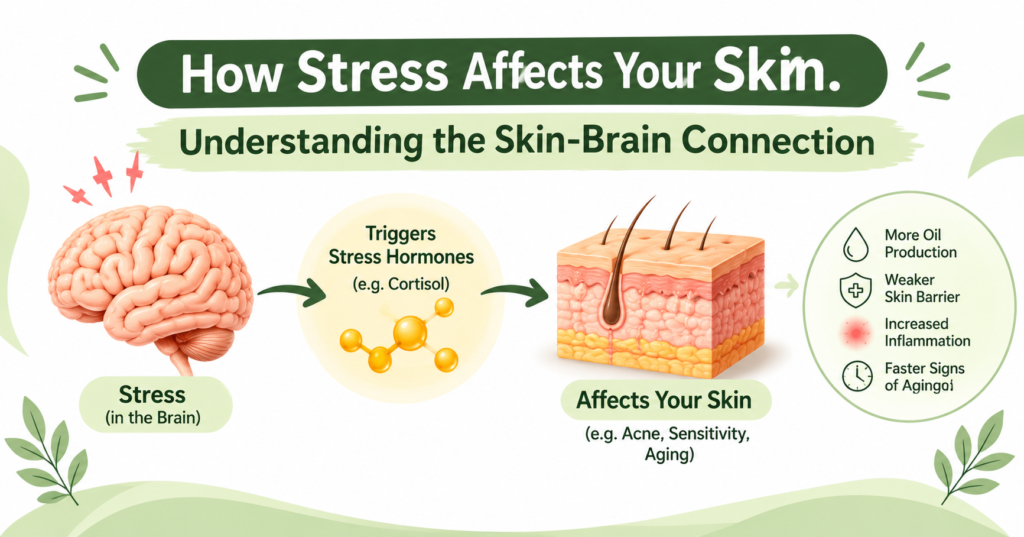
The skin and brain communicate through a network often called the skin-brain axis. This connection involves nerves, hormones and immune signals.
When the brain experiences stress, it activates the hypothalamic-pituitary-adrenal (HPA) axis. This system controls the release of several stress-related hormones. The skin also has local systems that respond to similar chemical signals.
Stress can influence nerve activity and immune cells in the skin. These changes may contribute to itching, redness and inflammation.
The relationship works in both directions. Emotional stress may aggravate skin problems, while visible skin conditions can affect confidence and emotional well-being. This can create a cycle in which skin symptoms and psychological pressure influence one another.
Understanding this connection provides useful context for Stress and Skin Health. It also helps explain why people with existing skin conditions may notice changes during demanding periods.
7 Common Effects of Stress on Skin
The Effects of Stress on Skin can appear in different forms. Some people notice more breakouts, while others experience dryness, itching or worsening of an existing skin condition.
Here are seven ways prolonged stress may influence the skin. These are possible responses, not symptoms that everyone will experience.
1. Increased Acne and Excess Oil Production
Acne is one of the commonly reported Stress-Related Skin Problems. You may notice more pimples before an important examination, during a demanding work schedule or after several nights of poor sleep.
Stress can influence hormonal signals that affect the sebaceous glands. These glands produce sebum, an oily substance that helps protect the skin. However, excessive oil, combined with dead skin cells, can contribute to blocked pores.
When pores become blocked, bacteria and inflammation can contribute to acne lesions.
This is why people sometimes notice Stress-Induced Acne during particularly demanding periods. Stress may aggravate existing acne, but it is not the only cause. Hormonal changes, genetics, certain medications, skincare products and other factors can also contribute.
Stress may also encourage habits that make breakouts worse, such as:
- Touching the face frequently.
- Picking or squeezing pimples.
- Skipping regular cleansing.
- Sleeping irregularly.
- Neglecting an established skincare routine.
If breakouts become persistent, painful or leave scars, consult a dermatologist for an appropriate assessment. Treating acne usually requires attention to its underlying causes rather than assuming that stress is responsible for every breakout.
2. Eczema and Psoriasis Flare-Ups
Eczema and psoriasis are inflammatory skin conditions that can be affected by emotional stress.
Eczema, also known as atopic dermatitis, often causes dry, itchy and inflamed skin. During stressful periods, some people notice that itching becomes more intense or existing patches become more irritated.
Scratching may temporarily relieve the sensation, but repeated scratching can damage the skin and increase irritation. This can create an uncomfortable itch-scratch cycle.
Psoriasis is another condition in which stress may contribute to flare-ups. It is an immune-mediated condition that causes skin cells to build up more quickly than normal, resulting in raised, scaly patches.
Stress does not cause every case of eczema or psoriasis. However, it can act as one of several factors that aggravate symptoms in people who already have these conditions.
The relationship between Stress and Skin Inflammation is relevant here because inflammatory responses are involved in both conditions. Emotional pressure may contribute to symptom changes in some people, but it should not be treated as the sole explanation.
People with recurring flare-ups should follow an appropriate treatment plan and discuss changes in their symptoms with a qualified healthcare professional.
3. Dryness and a Weakened Skin Barrier
The skin barrier is the outermost protective layer of the skin. It helps retain moisture and protects the body against irritants, allergens and harmful microorganisms.
When this barrier works properly, the skin stays hydrated and better protected from external conditions.
Prolonged stress may interfere with the production of certain lipids and structural proteins that support the barrier. It may also increase transepidermal water loss, which means more water escapes from the skin’s surface.
As a result, you may experience:
- Dry or rough skin.
- Tightness after washing.
- Increased sensitivity.
- Flaking or peeling.
- Irritation from products that previously felt comfortable.
A weakened barrier can make existing skin problems more difficult to manage. These changes are among the possible Effects of Stress on Skin, particularly when stress continues alongside poor sleep or inconsistent skincare habits.
If you are experiencing Stress and Dry Skin, a gentle cleanser and a suitable moisturiser may help support skin comfort. Avoid introducing several new skincare products at once, especially when your skin is already irritated.
4. Itching, Redness and Stress-Related Rashes
Stress may also affect the nerves and immune cells involved in skin sensations and inflammation.
Some people notice increased itching, flushing or redness when they feel anxious or emotionally overwhelmed. Stress can influence the release of chemical messengers involved in inflammatory responses, which may contribute to these symptoms.
In some individuals, stress may aggravate hives (urticaria). Hives usually appear as raised, itchy welts that may change shape or location.
These symptoms are examples of Stress-Related Skin Problems, but not every rash is related to emotional pressure. Allergies, infections, medications, heat, insect bites and other medical conditions can produce similar symptoms.
It is important not to assume that an unexplained rash is caused by stress alone. Seek medical advice if a rash keeps returning, spreads, becomes painful or does not improve. Sudden hives accompanied by difficulty breathing, throat swelling or faintness require emergency medical attention.
5. Premature Skin Aging and Fine Lines
Skin naturally changes as people get older. Collagen and elastin are two important proteins that help maintain skin strength and flexibility.
As the body ages, the production and structure of these proteins change. Environmental exposure, particularly ultraviolet radiation, also contributes to visible skin aging.
Prolonged stress may add to this process through inflammatory and hormonal pathways. Stress-related sleep problems and unhealthy habits may further affect the skin’s normal repair processes.
Some visible changes may include:
- A tired-looking appearance.
- More noticeable fine lines.
- Reduced skin freshness.
- Uneven texture.
- Increased dryness.
It would be inaccurate to say that stress alone causes premature wrinkles. Skin aging is influenced by several factors, including genetics, sun exposure, smoking, nutrition and overall health.
Maintaining healthy habits, using sunscreen and getting sufficient sleep can support the skin as it ages.
6. Delayed Wound Healing
The skin has a natural ability to repair itself after minor injuries, cuts and other forms of damage.
This process involves several stages, including inflammation, tissue formation and rebuilding of the protective surface.
Stress may interfere with some of these stages. Changes in immune activity and inflammatory signals can affect how efficiently the body repairs damaged tissue.
Research has associated psychological stress with slower wound healing. This means that a wound may take longer to recover under stressful conditions than it otherwise might.
Other factors also influence healing, including age, nutrition, circulation, infections, diabetes and the size of the wound.
Keep damaged skin clean and follow appropriate wound-care instructions. A wound that becomes increasingly red, swollen, painful or produces pus should be medically assessed.
7. Changes in Skin Appearance and Sensitivity
Stress can sometimes affect how the skin looks and feels, even when there is no obvious skin disease.
For example, some people experience facial flushing, temporary redness, sweating or increased sensitivity during stressful situations.
Stress-related changes in sleep and daily routines may also make the face look tired. Under-eye puffiness can be influenced by fluid retention, lack of sleep, allergies and other factors.
Research has also explored possible connections between prolonged stress and pigmentation changes. However, pigmentation is complex and can be influenced by hormones, inflammation, sun exposure and genetics. More research is needed to establish the precise contribution of stress.
If you notice new or changing dark patches, unusual pigmentation or persistent sensitivity, consider getting a professional skin assessment rather than assuming stress is responsible.
Other Ways Stress Can Affect Hair and Scalp Health
Although the main focus is skin, stress can also influence hair and scalp health.
One recognised example is telogen effluvium, a type of temporary hair shedding. Significant physical or emotional stress may cause more hair follicles than usual to enter the resting phase of the hair growth cycle.
Hair shedding may become noticeable several weeks or months after the stressful event. People may notice more hair than usual on their pillow, in the shower or while brushing.
Stress may also aggravate existing scalp problems, including seborrheic dermatitis, which can cause flaking, redness and itching.
However, hair loss has many possible causes, including nutritional deficiencies, thyroid conditions, hormonal changes, illness and certain medications.
If shedding is excessive, persistent or accompanied by scalp changes, consult a healthcare professional to identify the underlying cause.
For more information, read the American Academy of Dermatology’s explanation of how stress affects the skin, hair and nails
Everyday Habits That Can Make Stress-Related Skin Problems Worse
Stress does not affect skin health only through hormones. Changes in everyday behaviour can also contribute to skin problems.
Some common habits include:
Poor Sleep and Irregular Routines
Lack of sleep can affect the body’s recovery processes and may contribute to tired-looking skin. Irregular sleeping patterns can also make it harder to maintain consistent skincare and healthy daily habits.
Touching, Picking or Scratching the Skin
People sometimes touch their faces or pick at blemishes when feeling nervous. Repeated picking can increase irritation, damage the skin and raise the risk of infection or scarring.
Neglecting Skincare
During demanding periods, people may forget to remove makeup, skip moisturising or use products inconsistently. These habits can affect skin comfort and make existing concerns harder to manage.
Changes in Eating Habits
Emotional pressure may lead to irregular meals, overeating or reduced appetite. A balanced diet supports normal skin function, while poor nutrition can affect the body’s ability to maintain and repair tissues.
Reduced Physical Activity
When people feel overwhelmed, they may become less physically active. Regular movement supports general health and can help some people manage everyday stress.
Recognising these habits is a useful first step. Small and consistent changes are often easier to maintain than trying to change everything at once.
How to Manage Stress and Protect Your Skin Health
Managing stress does not mean eliminating every difficult situation from your life. It means developing healthy ways to respond to pressure while supporting your body’s normal functions.
If you are concerned about How Stress Can Affect Your Skin Health, remember that practical lifestyle changes can support overall well-being. They do not guarantee that a skin condition will disappear, but they can be part of a balanced approach to care.
Maintain a Consistent Skincare Routine
A simple routine is often better than using too many products.
Consider the following basic steps:
- Cleanse gently: Use a mild cleanser suitable for your skin type. Avoid excessive washing or harsh scrubbing.
- Moisturise regularly: Apply a suitable moisturiser to help maintain hydration and support the skin barrier.
- Use sunscreen: Apply broad-spectrum SPF 30 or higher during the day to protect against ultraviolet radiation.
- Avoid unnecessary products: Too many active ingredients can irritate sensitive or already inflamed skin.
If you have eczema, acne, rosacea or another diagnosed condition, follow skincare advice suited to that condition.
Improve Your Sleep Habits
Sleep gives the body time to recover and maintain normal biological functions.
Try to:
- Go to bed and wake up at consistent times.
- Aim for around seven to nine hours of sleep if you are an adult.
- Reduce screen use before bedtime.
- Keep your sleeping environment comfortable.
- Avoid excessive caffeine late in the day.
Better sleep habits may also make it easier to manage emotional pressure and maintain a regular skincare routine.
Practise Stress-Management Techniques
Relaxation techniques can help you respond more calmly to daily challenges.
Some options include:
Deep breathing: Take slow, controlled breaths for a few minutes. This can help reduce feelings of tension.
Meditation: Spend a few minutes focusing on your breathing or observing your thoughts without judging them.
Yoga: Gentle yoga combines movement and breathing exercises and may help improve relaxation.
Mindfulness: Pay attention to the present moment instead of constantly worrying about past events or future problems.
You do not need to practise every technique. Choose an activity that feels comfortable and realistic for your daily routine.
Follow Healthy Lifestyle Habits
Your overall health plays an important role in maintaining normal skin function.
Try to include:
- Fruits and vegetables in your meals.
- Protein sources that support tissue maintenance.
- Healthy fats.
- Sufficient water throughout the day.
- Regular physical activity.
Walking, cycling or other enjoyable forms of exercise can help manage everyday stress.
No single food or drink can prevent every skin problem. A balanced and varied diet is more useful than relying on restrictive diets or unproven skin-health remedies.
Avoid Picking or Scratching Your Skin
Repeated touching and scratching can damage the skin’s surface.
If you experience itching, try not to scratch aggressively. Keep your nails short and use a suitable moisturiser if dryness is contributing to discomfort.
For persistent itching, seek medical advice to identify its cause rather than relying only on home remedies.
Seek Professional Advice for Persistent Skin Problems
Sometimes, lifestyle changes are not enough to manage skin symptoms.
If acne, eczema, psoriasis, rashes or unusual skin changes continue, consult a qualified dermatologist or healthcare professional.
Professional assessment can help identify whether the problem is related to stress, an underlying skin condition, an allergy, medication or another cause.
Stress management should complement appropriate medical care, not replace it.
When Should You Be Concerned About Stress-Related Skin Changes?
Temporary skin changes may improve when stressful circumstances settle. However, persistent symptoms should not be ignored.
Consider seeking professional advice if you experience:
- Acne that becomes painful or leaves scars.
- Eczema or psoriasis that frequently flares up.
- Persistent itching, redness or unexplained rashes.
- Dryness and irritation that do not improve with basic care.
- Unusual or rapidly changing pigmentation.
- Excessive or unexplained hair shedding.
- Wounds that heal slowly or show signs of infection.
If skin symptoms are affecting your confidence, sleep or daily activities, it is also worth discussing their emotional impact with a healthcare professional.
Remember that not every skin concern is caused by emotional pressure. Proper assessment helps prevent other conditions from being overlooked.
How Bless Homeopathy Can Support Your Skin-Wellness Journey
Skin health is connected to several aspects of overall well-being, including daily habits, emotional balance and physical health. Understanding these connections can help people make more informed decisions about their care.
At Bless Homeopathy, we encourage a thoughtful approach to personal well-being. If you are experiencing recurring skin concerns alongside emotional stress, it is important to understand your symptoms and consider appropriate professional guidance.
Every person’s skin is different. Factors such as skin type, medical history, lifestyle and existing conditions should be considered before making decisions about care.
If you are exploring homeopathic care, discuss your concerns with a qualified practitioner and ask about the available evidence, benefits and limitations. Homeopathy has not been established by reliable scientific evidence as an effective treatment for acne, eczema, psoriasis or other stress-related skin conditions. It should never replace proven dermatological treatment or delay medical assessment.
Our aim at Bless Homeopathy is to encourage informed choices, responsible health awareness and a broader understanding of well-being.
Conclusion
Stress can influence skin health in several ways. Changes in hormonal activity, inflammation, skin barrier function and everyday habits may contribute to acne, dryness, itching and flare-ups of existing skin conditions.
Understanding How Stress Can Affect Your Skin Health helps you recognise that skin concerns may have several contributing factors. Genetics, hormones, skincare products, environmental exposure and underlying health conditions also affect the skin.
Maintaining a gentle skincare routine, getting sufficient sleep, eating a balanced diet and practising relaxation techniques can support overall well-being. If skin problems persist or become severe, professional assessment is important.
Taking care of your skin also means paying attention to your overall health. A balanced approach can help you make better decisions and support healthier skin over time.
Frequently Asked Questions
Can stress cause skin problems?
Yes. Prolonged psychological stress can influence hormonal activity, immune responses and skin barrier function. It may contribute to acne, dryness, itching and flare-ups of existing inflammatory skin conditions. However, stress is not the only possible cause of these problems. These are some of the commonly discussed Stress-Related Skin Problems.
What are the most common effects of stress on skin?
Commonly reported Effects of Stress on Skin include increased acne, dryness, itching, redness, sensitivity and worsening of conditions such as eczema and psoriasis. Some people may also notice changes in their skin’s appearance during stressful periods.
Can stress cause acne and pimples?
Stress may aggravate acne by influencing hormonal signals and oil production. It can also encourage habits such as touching or picking the face. This is why Stress-Induced Acne may become more noticeable during demanding periods. However, acne is a complex condition involving several factors, including hormones, genetics and blocked pores.
Can stress make eczema worse?
Yes. Stress and Skin Inflammation are relevant to conditions such as eczema because emotional stress may aggravate inflammatory and immune responses in some people. Itching can also increase during stressful periods, leading to more scratching and irritation. Proper eczema care and treatment remain important.
Does stress cause dry and itchy skin?
Prolonged stress may affect the skin barrier and moisture retention, contributing to dryness and sensitivity. People experiencing Stress and Dry Skin may also notice increased irritation. However, allergies, environmental conditions and skin diseases can cause similar symptoms.
Can skin recover from stress-related damage?
In many cases, skin symptoms may improve when contributing stressors are reduced and appropriate skincare or medical treatment is followed. Recovery depends on the underlying condition, its severity and individual